
High fiber smoothie for constipation
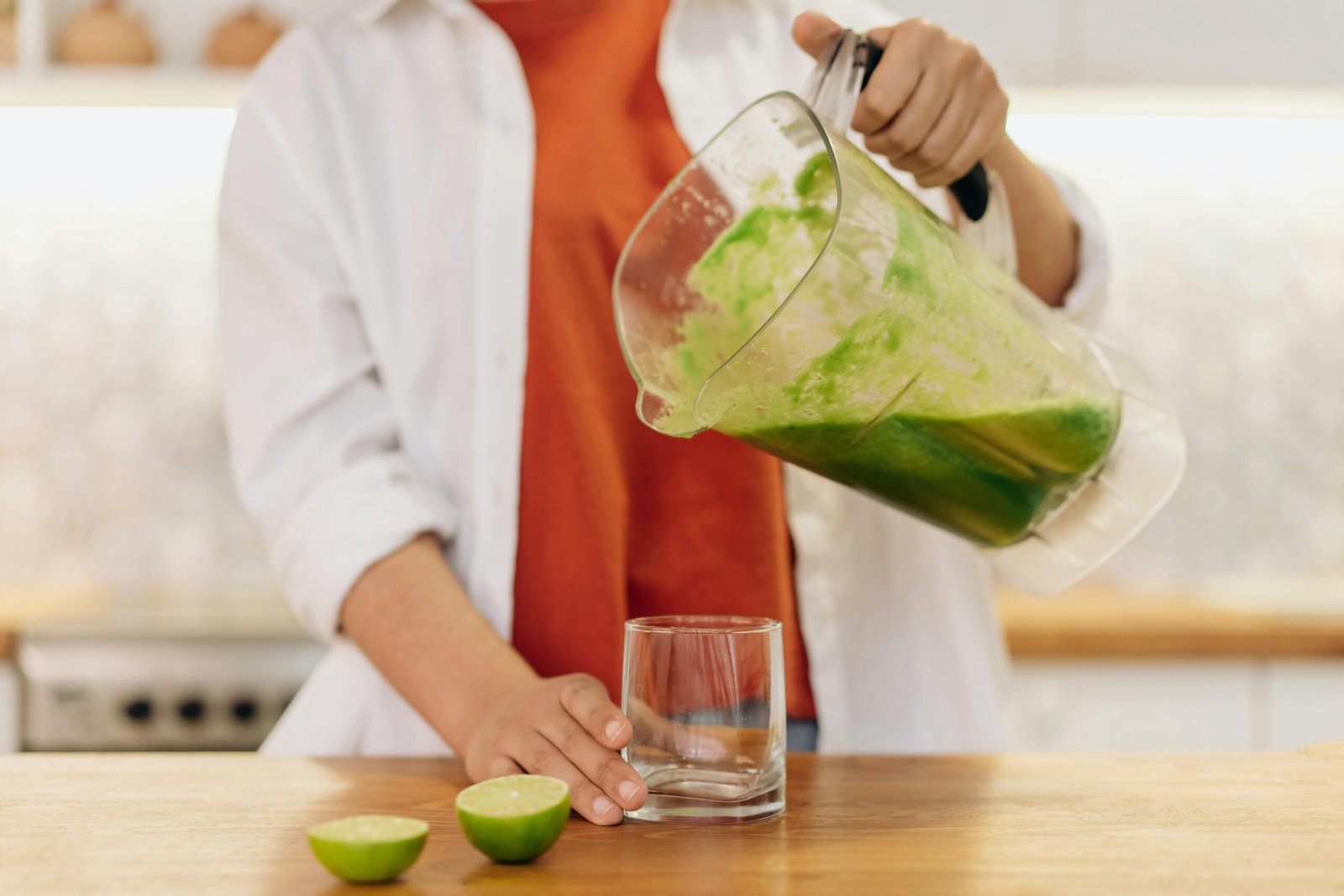
Dealing with constipation can leave you feeling uncomfortable and searching for natural solutions that actually work. A high fiber smoothie for constipation offers a delicious way to get things moving again while packing essential nutrients into your morning routine.
This guide is perfect for anyone struggling with irregular bowel movements, busy professionals who skip fiber-rich meals, or health-conscious individuals wanting to support their digestive system naturally. You’ll discover why fiber is your digestive system’s best friend and learn about the most effective smoothie ingredients that provide gentle, lasting relief.
We’ll walk you through proven constipation relief smoothie recipes that you can make in minutes, plus share expert tips for getting the most digestive benefits from every sip. You’ll also learn common smoothie mistakes that could be sabotaging your results and how to avoid them.
Understanding Constipation and How Fiber Helps
Common causes of constipation and digestive sluggishness
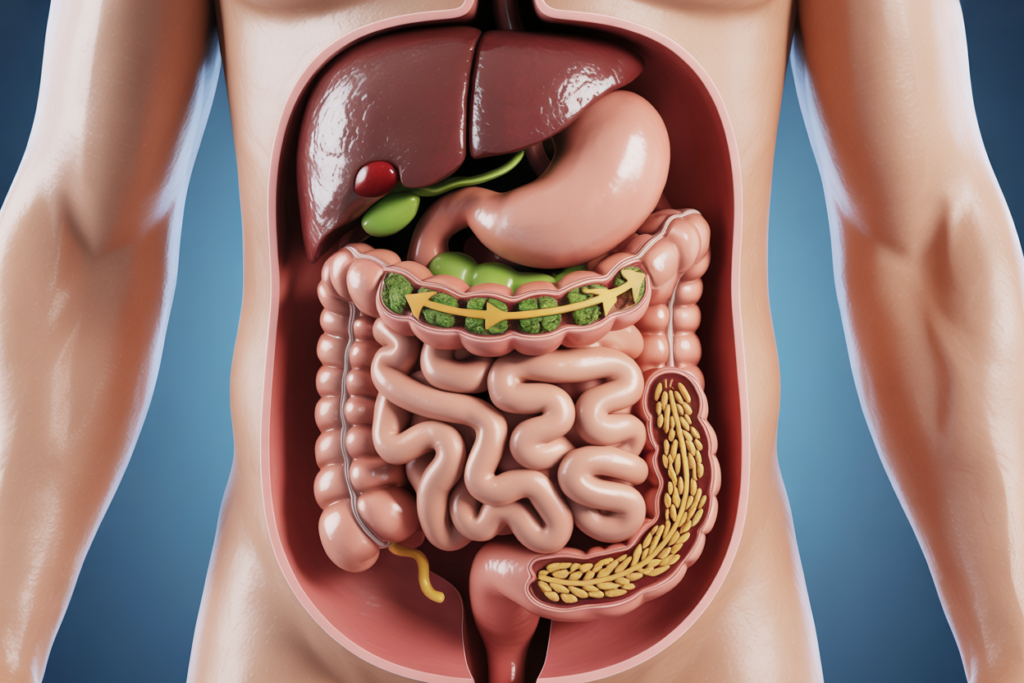
Constipation affects millions of people and typically develops when stool moves too slowly through the digestive tract. The most common culprits include inadequate fluid intake, lack of dietary fiber, and sedentary lifestyles. When you don’t drink enough water, your colon absorbs excess moisture from waste, creating hard, difficult-to-pass stools.
Modern diets loaded with processed foods, refined grains, and minimal fresh produce create the perfect storm for digestive sluggishness. These foods lack the essential fiber needed to keep things moving smoothly through your system. Stress also plays a significant role, as it can disrupt the natural rhythm of your digestive muscles.
Certain medications, particularly pain relievers, antidepressants, and iron supplements, can slow down bowel movements. Medical conditions like hypothyroidism, diabetes, and irritable bowel syndrome also contribute to chronic constipation. Even simple changes in routine, such as travel or ignoring the urge to go, can throw off your digestive timing.
Age becomes a factor too, as digestive muscles naturally weaken over time, making regular bowel movements more challenging. Women experience constipation more frequently than men, especially during pregnancy and menopause due to hormonal fluctuations.
How soluble and insoluble fiber promote regular bowel movements
Your digestive system needs both types of fiber to function optimally, and each works differently to combat constipation. Soluble fiber dissolves in water, creating a gel-like substance that softens stool and makes it easier to pass. This type of fiber feeds beneficial gut bacteria, promoting a healthy microbiome that supports regular digestion.
Insoluble fiber doesn’t dissolve in water but adds bulk to stool and helps it move through your intestines more quickly. Think of it as nature’s broom, sweeping waste through your digestive tract efficiently. This fiber type prevents stool from becoming too compact and difficult to eliminate.
| Fiber Type | Sources | Primary Function |
|---|---|---|
| Soluble | Oats, berries, apples, beans | Softens stool, feeds gut bacteria |
| Insoluble | Vegetables, whole grains, nuts | Adds bulk, speeds transit time |
The magic happens when you combine both types in your high fiber smoothie for constipation. Soluble fiber creates the right consistency while insoluble fiber provides the push needed for regular bowel movements. This combination works more effectively than either type alone.
Your gut bacteria ferment soluble fiber, producing short-chain fatty acids that nourish colon cells and stimulate muscle contractions. Meanwhile, insoluble fiber creates the physical bulk necessary to trigger the reflexes that initiate bowel movements.
Benefits of liquid fiber sources over solid foods for quick relief
Liquid fiber sources offer several advantages when you need fast constipation relief. Your digestive system processes liquids more quickly than solid foods, meaning the fiber reaches your colon sooner. A fiber rich smoothies digestive health approach provides faster hydration to your digestive tract, which is essential for softening hard stool.
Smoothies allow you to pack multiple high-fiber ingredients into one easily digestible drink. You can combine fruits, vegetables, seeds, and supplements that might be difficult to consume in large quantities as whole foods. The blending process breaks down cell walls, making nutrients more bioavailable and easier for your body to use immediately.
The liquid format also ensures better hydration, which is critical for fiber to work effectively. Dry fiber without adequate liquid can actually worsen constipation, but smoothies solve this problem automatically. You’re getting both the fiber and the fluids your digestive system craves.
Natural constipation remedies smoothies work faster because they require minimal digestive energy. Your stomach doesn’t need to break down complex textures, allowing the beneficial compounds to reach your intestines more quickly. This rapid delivery system means you might experience relief within hours rather than waiting a full day or more for solid high-fiber foods to take effect.
The smooth texture is also gentler on sensitive digestive systems, making it easier for people with digestive issues to tolerate higher amounts of beneficial fiber.
Essential High-Fiber Ingredients for Constipation Relief Smoothies
Chia seeds and flax seeds for maximum fiber content
Chia seeds pack an incredible fiber punch with 10 grams per ounce, making them one of the most efficient high fiber smoothie for constipation ingredients you can find. These tiny powerhouses absorb up to 12 times their weight in water, creating a gel-like consistency that helps move waste through your digestive system. Ground flaxseeds deliver 8 grams of fiber per ounce and blend seamlessly into smoothies without changing the taste.
The magic happens when you combine both seeds in your constipation relief smoothie recipes. Start with one tablespoon each and gradually increase to two tablespoons as your body adjusts. Pre-soaking chia seeds for 10 minutes creates a pudding-like texture that makes your smoothie more filling and digestively gentle.
| Seed Type | Fiber per 1 oz | Best Form | Soaking Time |
|---|---|---|---|
| Chia seeds | 10g | Whole or ground | 10-15 minutes |
| Flax seeds | 8g | Ground only | Not required |
Prunes and dates as natural laxative sweeteners
Prunes contain natural sorbitol, a sugar alcohol that draws water into your intestines and promotes bowel movements. Just four prunes provide 3 grams of fiber plus the added benefit of natural laxative properties. Dates offer similar benefits with 2 grams of fiber per fruit while adding rich, caramel-like sweetness to your fiber rich smoothies digestive health blend.
These fruits eliminate the need for artificial sweeteners while actively supporting digestive health. Medjool dates blend particularly well and mask any earthy flavors from greens or seeds. For the strongest effect, soak prunes overnight in water, then add both the fruit and soaking liquid to your smoothie.
Leafy greens that blend smoothly while adding bulk
Spinach leads the pack for best smoothie ingredients for constipation because it blends invisibly while providing 4 grams of fiber per cup. Baby spinach works best since it has a milder taste and softer texture. Kale offers more fiber at 5 grams per cup but requires a high-powered blender to achieve smoothness.
Baby bok choy and butter lettuce are excellent alternatives that add bulk without overwhelming flavor. These greens contribute essential minerals like magnesium, which helps relax intestinal muscles and supports regular bowel movements. Always wash leafy greens thoroughly and consider buying organic to avoid pesticide residues.
Psyllium husk as a powerful fiber booster
Psyllium husk stands as the ultimate fiber supplement for natural constipation remedies smoothies, delivering 5 grams of pure soluble fiber per tablespoon. This ingredient creates immediate bulk in your digestive tract and can produce results within 12-24 hours. Start with half a teaspoon and work up to one tablespoon to avoid digestive discomfort.
The key to using psyllium husk successfully is drinking your smoothie immediately after blending. This ingredient continues absorbing liquid and will thicken your drink into an undrinkable gel if left standing. Mix it with other liquid ingredients first, then add the remaining smoothie components for best results.
Proven High-Fiber Smoothie Recipes for Immediate Relief
Morning Detox Smoothie with Prunes and Spinach
This constipation relief smoothie recipe combines the natural laxative properties of prunes with nutrient-dense spinach to create a powerful morning drink. Prunes contain sorbitol, a sugar alcohol that draws water into the intestines, naturally stimulating bowel movements within hours of consumption.
Ingredients:
- 4-5 pitted prunes (soaked overnight for better blending)
- 1 cup fresh spinach leaves
- 1 banana (adds potassium and natural sweetness)
- 1 cup almond milk
- 1 tablespoon ground flaxseed
- 1/2 teaspoon cinnamon
- Ice cubes as needed
Preparation:
Blend all ingredients until smooth, starting with liquid ingredients first. The overnight-soaked prunes blend easier and release more fiber into your drink. This high fiber breakfast smoothie delivers approximately 12 grams of fiber per serving.
The spinach adds folate and iron without affecting taste, while flaxseed provides omega-3 fatty acids and additional soluble fiber. Drink this smoothie first thing in the morning on an empty stomach for maximum effectiveness.
Tropical Fiber Blend with Mango and Chia Seeds
This refreshing fiber rich smoothie for digestive health tastes like a tropical vacation while delivering serious constipation relief. Chia seeds absorb up to 12 times their weight in water, creating a gel-like consistency that helps move waste through your digestive system.
Ingredients:
- 1 cup frozen mango chunks
- 2 tablespoons chia seeds (pre-soaked for 10 minutes)
- 1/2 cup pineapple chunks
- 1 cup coconut water
- 1 tablespoon psyllium husk powder
- Juice of 1/2 lime
- 1/4 cup coconut milk
Preparation:
Soak chia seeds in coconut water for 10 minutes before blending. Add remaining ingredients and blend until creamy. The natural enzymes in pineapple aid digestion, while mango provides both soluble and insoluble fiber.
This natural constipation remedy smoothie contains over 15 grams of fiber per serving. The psyllium husk acts as a gentle bulk-forming laxative, expanding in your digestive tract to promote regular bowel movements within 12-24 hours.
Chocolate Avocado Smoothie for Reluctant Healthy Eaters
Perfect for those who struggle with traditional high fiber smoothies for constipation, this dessert-like drink masks healthy ingredients behind rich chocolate flavor. Avocado provides healthy fats and fiber while creating an incredibly creamy texture.
Ingredients:
- 1/2 ripe avocado
- 2 tablespoons unsweetened cocoa powder
- 1 banana
- 1 cup oat milk
- 1 tablespoon almond butter
- 1 tablespoon hemp hearts
- 1 teaspoon vanilla extract
- 1 tablespoon maple syrup
- Pinch of sea salt
Preparation:
Blend all ingredients until completely smooth and creamy. The result tastes like chocolate pudding while delivering 10 grams of constipation-fighting fiber. Oat milk adds beta-glucan fiber, which feeds beneficial gut bacteria and promotes healthy digestion.
This easy fiber smoothie recipe works especially well for children or adults who typically avoid healthy foods. The healthy fats from avocado and almond butter help your body absorb fat-soluble vitamins while the hemp hearts add protein and additional fiber. Drink this smoothie as an afternoon snack or post-workout treat for both satisfaction and digestive benefits.
Maximizing Your Smoothie’s Effectiveness for Digestive Health
Optimal timing for consuming fiber smoothies
The timing of your high fiber smoothie for constipation can make or break its effectiveness. Your digestive system follows natural rhythms, and working with these patterns maximizes results. The best time to drink your constipation relief smoothie is first thing in the morning on an empty stomach. This kick-starts your digestive system after the overnight fasting period and helps establish a regular bowel movement routine.
Morning consumption allows the fiber to work throughout the day, giving your body ample time to process and respond. If you can’t manage a morning smoothie, aim for at least 30 minutes before meals. This timing prevents the fiber from competing with other foods for digestion and allows it to work more efficiently.
Avoid drinking fiber rich smoothies digestive health blends right before bed, as this can cause uncomfortable bloating during sleep and disrupt your rest. The digestive system naturally slows down at night, so late consumption may reduce effectiveness.
Proper hydration to enhance fiber’s constipation-fighting power
Water is fiber’s best friend when it comes to relieving constipation. Without adequate hydration, even the best smoothie ingredients for constipation can backfire and actually worsen symptoms. Fiber needs water to create the soft, bulky stool that moves easily through your intestines.
Drink at least 8-10 ounces of water alongside your smoothie, and continue hydrating throughout the day. Your goal should be consuming at least half your body weight in ounces of water daily. For example, if you weigh 140 pounds, aim for 70 ounces of water.
Signs you’re properly hydrated include pale yellow urine and feeling energetic. Dark urine or fatigue often indicates dehydration, which can counteract your smoothie’s benefits. Keep a water bottle nearby and sip regularly rather than chugging large amounts at once.
Gradual fiber increase to avoid digestive discomfort
Jumping straight into high-fiber smoothies can shock your digestive system, leading to gas, bloating, and cramping. Start slowly with natural constipation remedies smoothies that contain 10-15 grams of fiber, then gradually increase by 5 grams weekly until you reach 25-35 grams daily.
Your gut bacteria need time to adjust to increased fiber intake. Beginning with gentler ingredients like bananas and oats before adding powerhouses like chia seeds or psyllium husk prevents uncomfortable side effects. Track how your body responds and adjust accordingly.
| Week | Fiber Goal | Sample Ingredients |
|---|---|---|
| 1-2 | 10-15g | Banana, spinach, almond milk |
| 3-4 | 15-20g | Add 1 tbsp ground flaxseed |
| 5-6 | 20-25g | Include 1 tbsp chia seeds |
| 7+ | 25-35g | Full high fiber breakfast smoothie |
Combining smoothies with gentle movement and exercise
Physical activity works hand-in-hand with digestive health smoothie recipes to promote regular bowel movements. Movement stimulates the muscles in your intestinal walls, helping move waste through your system more efficiently.
After drinking your smoothies for bowel movement, take a 10-15 minute walk or do gentle stretches. Yoga poses like child’s pose, cat-cow stretches, and seated twists are particularly effective for digestive health. Even simple activities like taking the stairs or doing household chores can help.
The key is consistency rather than intensity. Regular, moderate movement throughout the day beats occasional intense workouts for digestive health. Aim for at least 30 minutes of activity daily, which can be broken into smaller chunks.
Avoid vigorous exercise immediately after consuming your smoothie, as this can divert blood flow from digestion and potentially cause discomfort. Wait at least 30 minutes before high-intensity activities, but gentle movement is encouraged right away.
Troubleshooting Common Smoothie Preparation Mistakes
Avoiding ingredients that can worsen constipation
Some ingredients that seem healthy can actually make constipation worse when you’re trying to create a fiber rich smoothies digestive health blend. Bananas are tricky – while green bananas contain resistant starch that helps with digestion, overripe bananas can slow things down. Stick to yellow bananas with just a few brown spots for the best balance.
Dairy products like regular milk, yogurt, and ice cream can be problematic for many people. The lactose and casein proteins can contribute to digestive sluggishness. Switch to plant-based alternatives like oat milk, almond milk, or coconut milk in your high fiber smoothie for constipation recipes.
Avoid adding too much protein powder, especially whey-based varieties. While protein is important, excess amounts without enough fiber and water can actually worsen constipation. If you need protein, choose plant-based options like hemp protein or add natural sources like hemp seeds.
Skip refined sweeteners and processed ingredients. White sugar, artificial sweeteners, and pre-packaged smoothie mixes often lack fiber and can disrupt gut bacteria. Instead, sweeten with dates, figs, or small amounts of raw honey.
Be careful with nuts and nut butters if you’re already severely constipated. While they contain healthy fats and some fiber, they’re also binding foods that might slow things down initially. Start with small amounts and increase gradually as your system adjusts.
Achieving the right consistency for easy digestion
The texture of your constipation relief smoothie recipes matters more than you might think. Too thick, and it becomes difficult to digest and might slow down gut transit time. Too thin, and you miss out on the satisfying, meal-like quality that helps with overall digestive health.
Aim for a consistency similar to a thin milkshake – it should pour easily but still coat a spoon lightly. This texture allows for optimal nutrient absorption while keeping things moving through your digestive system. Start with your liquid base first, then add frozen fruits and fiber-rich ingredients gradually while blending.
Water content plays a huge role in making fiber smoothie recipes easy to digest. Fiber needs adequate hydration to work properly in your digestive tract. For every tablespoon of ground flaxseed or chia seeds you add, include an extra quarter cup of liquid. This prevents the fiber from absorbing too much moisture from your digestive system.
Temperature also affects digestibility. Room temperature or slightly cool smoothies are easier on your digestive system than ice-cold ones. If you prefer frozen fruits for thickness, let your smoothie sit for 5-10 minutes before drinking, or add warm water or herbal tea as part of your liquid base.
Blend thoroughly but don’t over-process. You want ingredients well-incorporated without creating a completely uniform mixture. Small pieces of fruit and seeds provide additional digestive stimulation while maintaining the smoothie’s effectiveness.
Storage tips to maintain fiber potency and freshness
Proper storage keeps your digestive health smoothie recipes effective and prevents ingredient degradation that could reduce their constipation-fighting power. Fresh smoothies work best, but busy schedules sometimes require advance preparation.
Ground flaxseeds and chia seeds lose potency quickly once exposed to air and light. Store whole flaxseeds in the refrigerator and grind only what you need for 2-3 days maximum. Pre-ground options should be kept in opaque, airtight containers in the fridge and used within a week.
Make-ahead smoothie packs work well for maintaining freshness. Portion out your fruits, vegetables, and dry ingredients into freezer bags, leaving out liquids and delicate ingredients like leafy greens. These packs stay fresh for up to three months and make morning preparation quick and easy.
If you must store prepared smoothies, consume them within 24 hours for maximum natural constipation remedies smoothies benefits. Use glass containers instead of plastic to prevent absorption of flavors and potential chemical leaching. Fill containers to the top to minimize air exposure and add a squeeze of lemon juice to prevent oxidation.
Frozen smoothie cubes offer another storage solution. Pour prepared smoothies into ice cube trays and freeze. Pop out cubes as needed and blend with a little extra liquid for instant smoothies for bowel movement relief. These maintain quality for up to two months when stored in freezer-safe bags.
Never store smoothies containing dairy alternatives or fresh greens for more than 12 hours, as these ingredients break down quickly and can develop harmful bacteria.
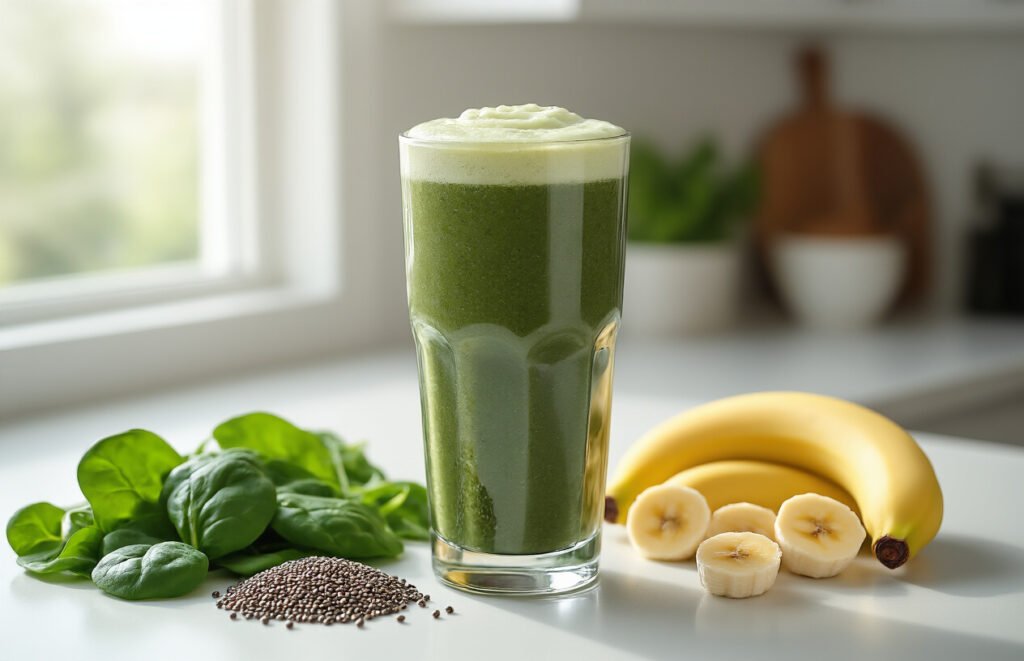
High-fiber smoothies offer a delicious and practical solution for anyone struggling with constipation. By combining powerhouse ingredients like prunes, flaxseeds, berries, and leafy greens, you can create tasty drinks that naturally support your digestive system. The recipes we’ve shared give you plenty of options to find flavors you love while getting the fiber your body needs.
Remember to start slowly with these smoothies and drink plenty of water throughout the day to help the fiber do its job effectively. Pay attention to your body’s response and adjust ingredients as needed. Making these nutrient-packed smoothies part of your daily routine can help keep your digestive system running smoothly while treating your taste buds to something special.